

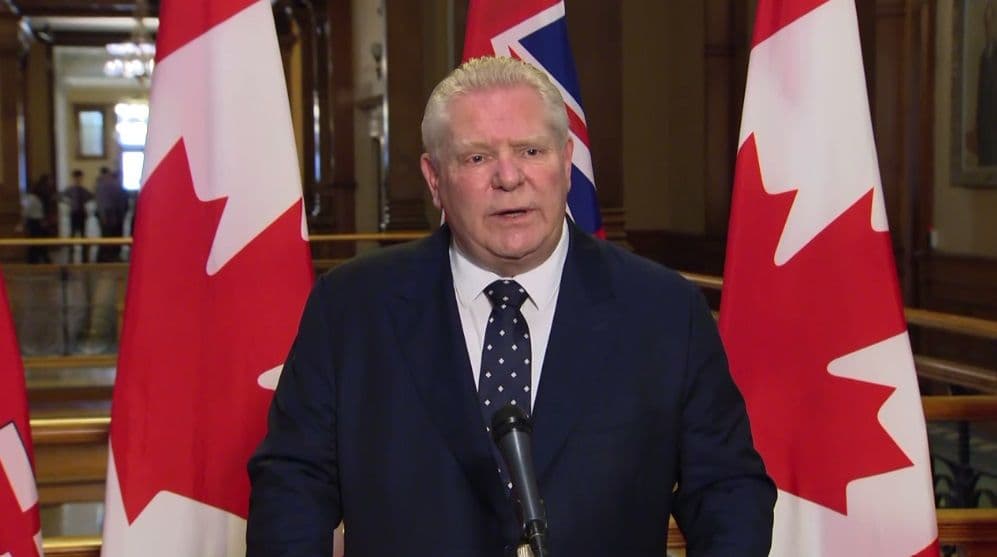
Over the past week, Ontario Premier Doug Ford announced reforms to the province’s Freedom of Information and Protection of Privacy Act (FIPPA) which will exempt his office, as well as his cabinet ministers, from having to respond to records requests. While he has claimed these amendments are necessary to safeguard sensitive information from hostile Chinese spies, the truth is that these moves are more in line with China’s approach to government than what Canadians expect from their leaders.
Access to information about matters of public importance is a constitutionally protected right under Section 2(b) of the Charter, and a fundamental pillar of democratic governance. Freedom of information requests are also a critical tool for journalists and watchdog groups to uncover corruption and mismanagement.
From Bev Oda’s loose spending habits to Peter MacKay’s use of military helicopters for private fishing holidays, there is long list of government scandals which were uncovered by freedom of information requests. The potential for journalists to dig up stories like these is a far likelier explanation for the proposed reforms than the specter of looming communist infiltration.